Buying your first property in Dubai can feel overwhelming—but with the right guidance, it’s a smooth and rewarding experience. As a global real estate hub, Dubai offers a tax-free environment, strong rental yields, and world-class living standards. Whether you’re an end-user or an investor, this guide will walk you through the entire process of buying your first home in Dubai.
Step 1: Understand Dubai’s Real Estate Market
Dubai’s property market is divided into two main types:
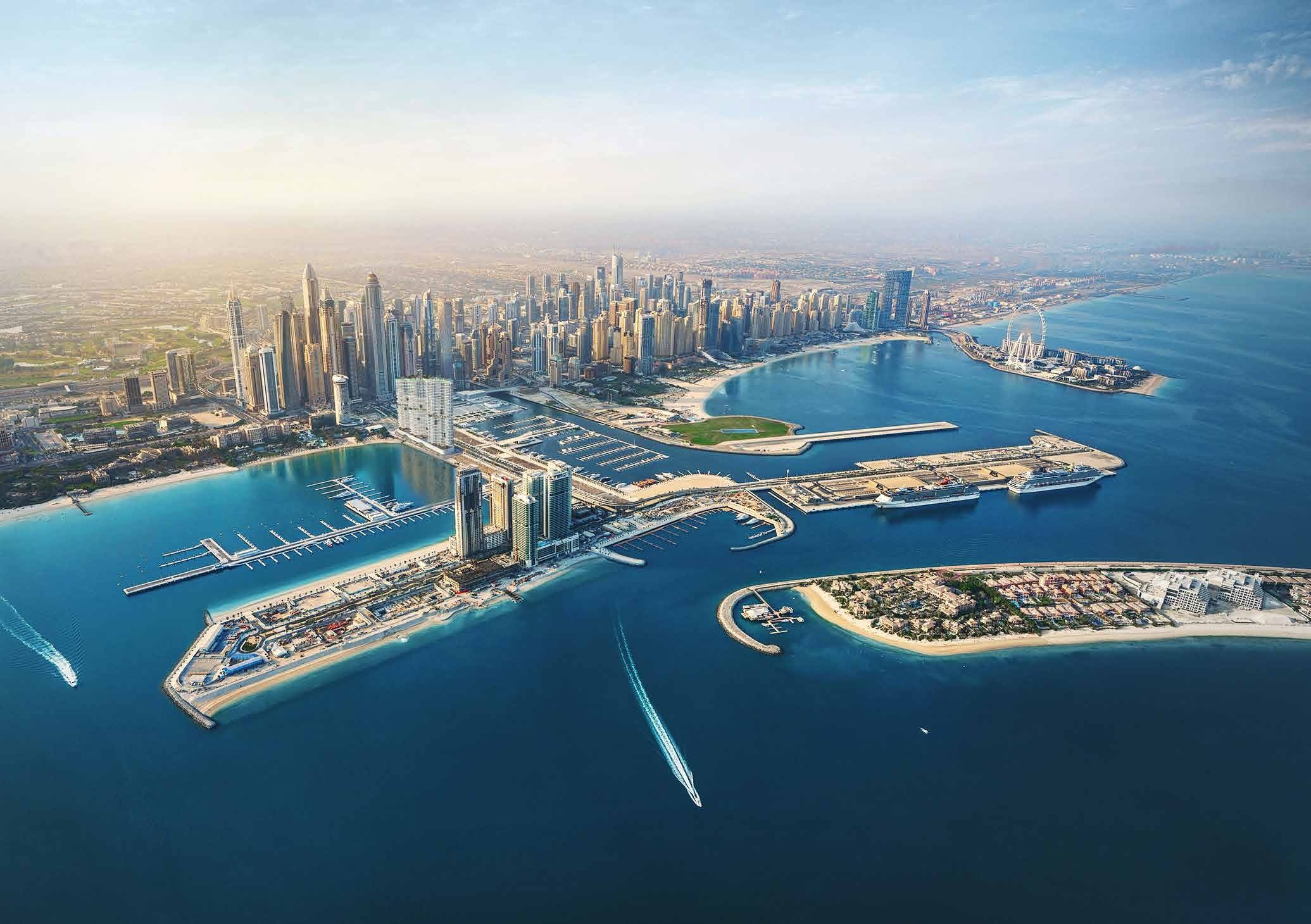
- Freehold Areas: Open to foreigners and investors (e.g., Downtown, Dubai Marina, Business Bay)
- Leasehold Areas: Properties leased for 10–99 years (less common for buyers)
You’ll also need to decide between:
- Ready Property (Immediate move-in or rental)
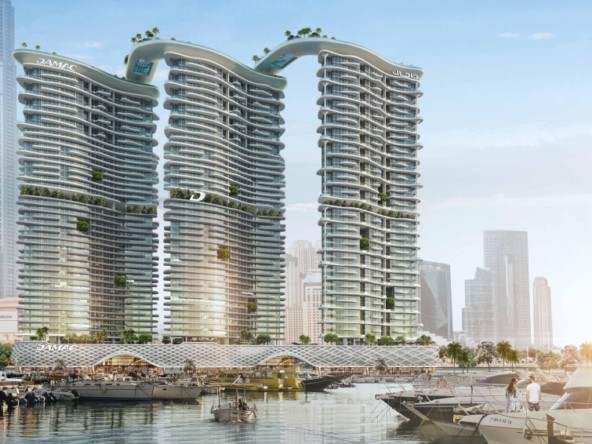
- Off-Plan Property (Under construction with payment plans)
Step 2: Set Your Budget & Financing Options
Dubai does not require citizenship or residency to own property. You can pay:
- Cash (no mortgage needed)
- Mortgage (for residents and some non-residents)
Down Payment Guide:
- UAE Residents: 20-25% down payment
- Non-Residents: 50% minimum down
- Plus 4% Dubai Land Department (DLD) fee + other admin costs
Step 3: Choose a RERA Certified Real Estate Agent
Your agent should be registered with the Real Estate Regulatory Agency (RERA). A good agent will:
- Help you shortlist properties
- Arrange viewings
- Negotiate offers
- Handle paperwork
- Liaise with developers or sellers
🔗 Pro tip: Always ask for the agent’s RERA card before proceeding.
Step 4: Select the Right Property
Factors to consider:
- Location: Proximity to work, schools, metro, etc.
- Amenities: Gym, pool, parking, security
- Developer Reputation: DAMAC, Emaar, Sobha, Nakheel
- ROI Potential: If you plan to rent it out
Popular Areas for First-Time Buyers:
- Jumeirah Village Circle (JVC)
- Dubai Hills Estate
- Business Bay
- Dubai South
Step 5: Sign the Sales Agreement
Once you decide, you’ll sign a Sales Purchase Agreement (SPA) or Reservation Form.
- For off-plan: 5–20% booking fee
- For ready property: Initial deposit (~10%), with final amount upon transfer
Ensure all terms are clear especially handover date, penalties, and service charges.
Step 6: Property Registration & Transfer
Your property must be registered with the Dubai Land Department.
Documents required:
- Passport copy
- Emirates ID (if applicable)
- Payment proof
- NOC from developer (if secondary sale)
🔗 You’ll receive an OQOOD (off-plan) or Title Deed (ready property).
Step 7: Post-Purchase – What’s Next?
For off-plan:
- Track project progress through RERA portal
- Pay instalments as per schedule
- Inspect the unit before handover
For ready property:
- Set up DEWA (utilities)
- Apply for Ejari (rental contract, if leasing)
- Consider property management for tenants
Final Tips for First-Time Buyers
Always verify the property and developer via the DLD portal
Don’t rush compare options and check market trends
Ask about service charges and community fees
Work with a registered agent only